Physical Address
304 North Cardinal St.
Dorchester Center, MA 02124
Physical Address
304 North Cardinal St.
Dorchester Center, MA 02124

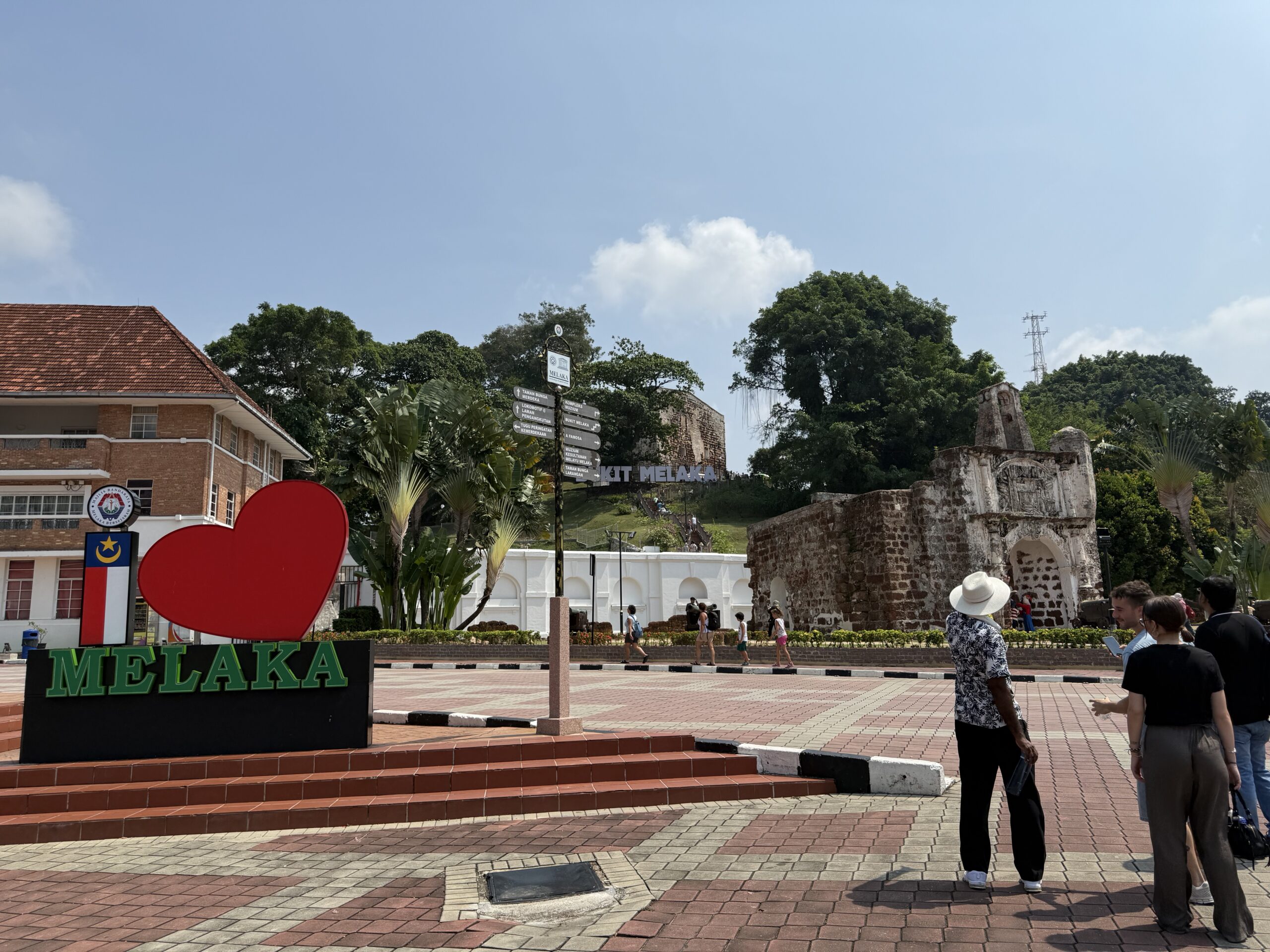
Malacca City—historic, humid, and unexpectedly profound.
I’ve known about Malacca since my school days. Geography class first introduced me to the legendary Malacca Strait—arguably the busiest waterway in the world, connecting the Indian and Pacific Oceans and playing a vital role in global commerce. Back then, it was just a name in a textbook. Today, I walked its streets.
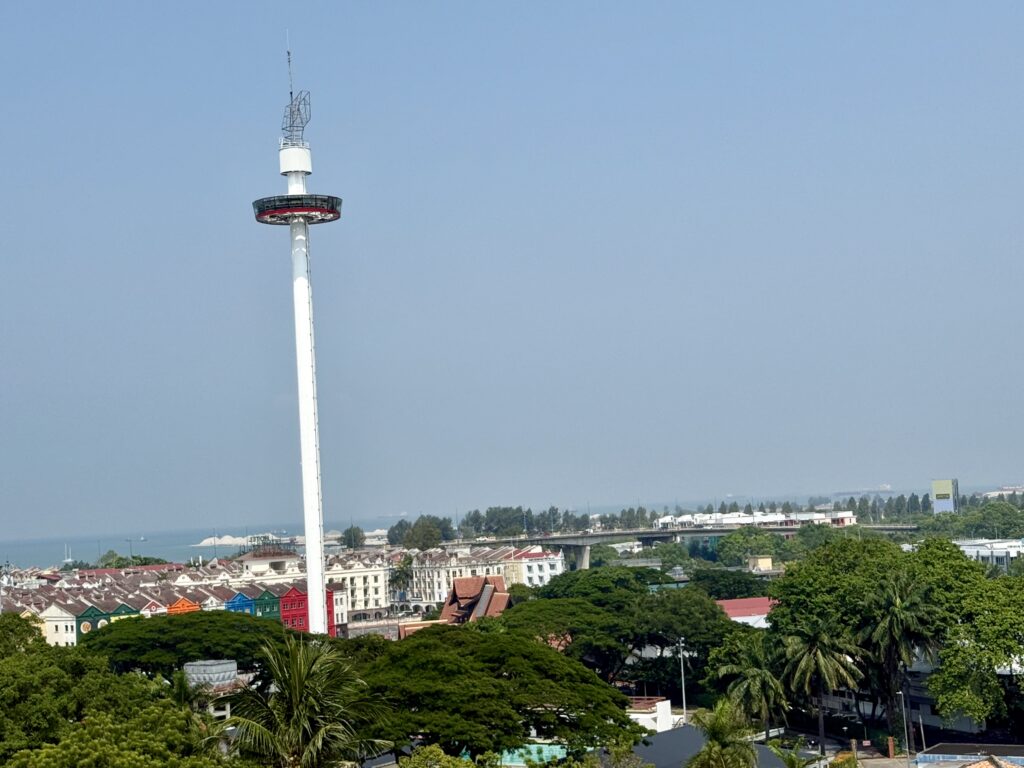
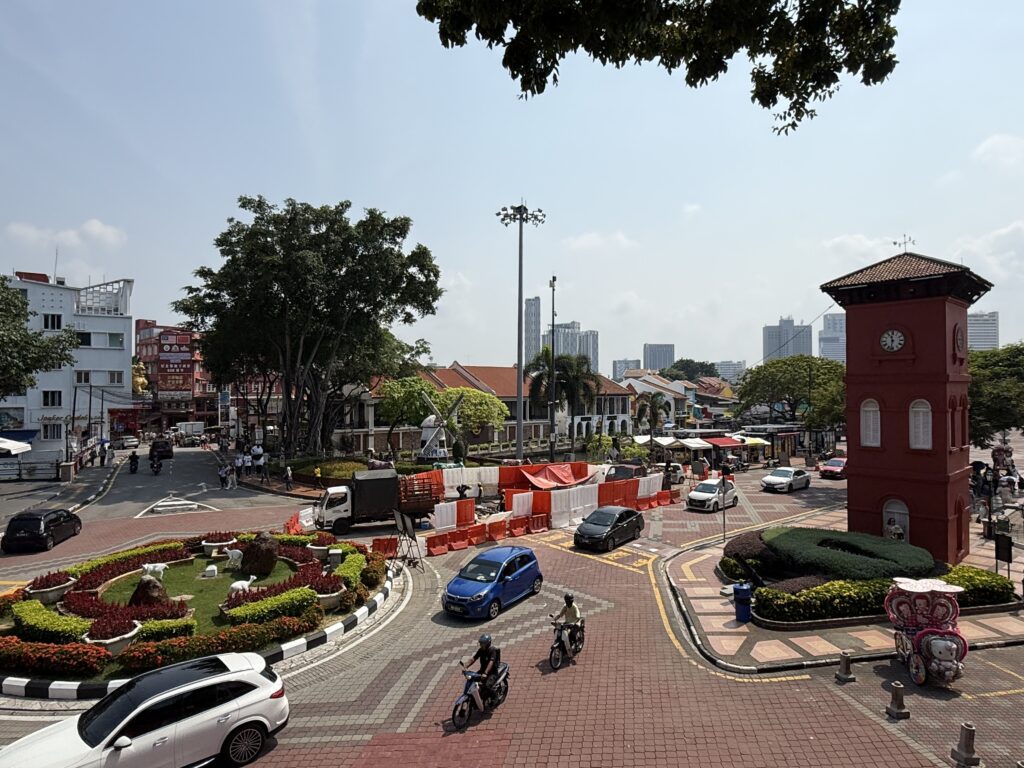
I came with few expectations, just a group tour itinerary and a childhood curiosity. What I found was a city more layered than I had imagined. Malacca isn’t just historical—it is history, living and breathing through its churches, temples, markets, and riverside footpaths.
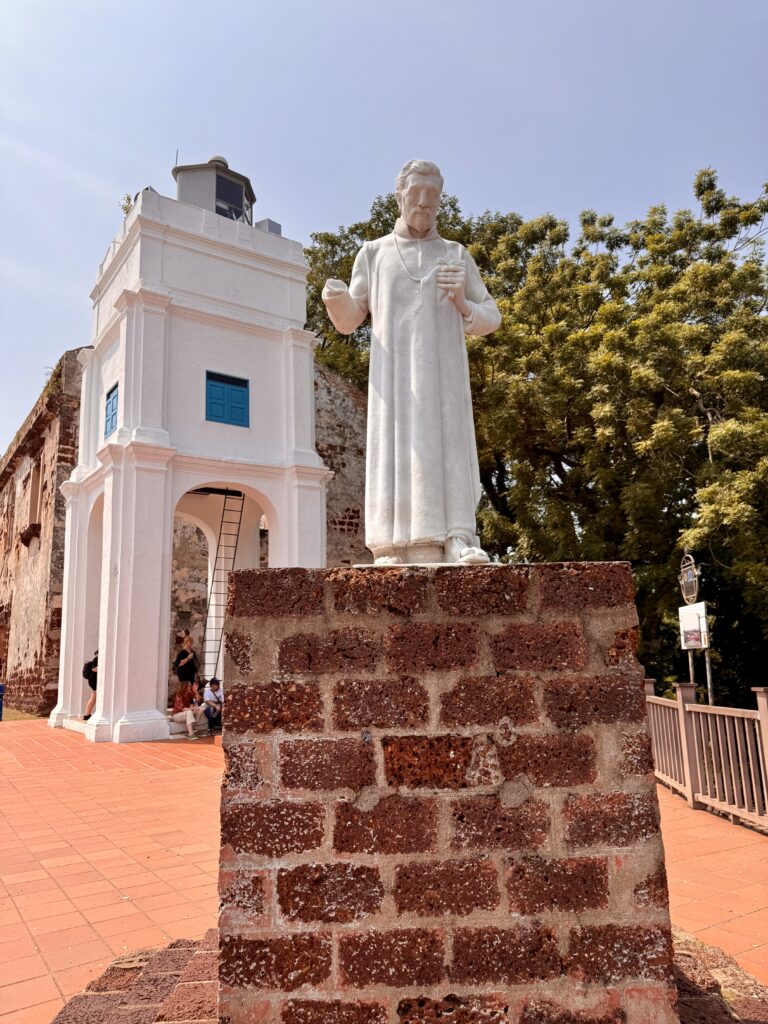
From Saint Francis Xavier’s missionary journey in 1511 to Admiral Zheng He’s six voyages from China during the Ming Dynasty, Malacca stands as a testament to a world that once collided—and cooperated—on these very shores. The Portuguese, Dutch, British, and Japanese all left their imprint here. The result is a city where a mosque, a Catholic church, and a Chinese temple can sit peacefully on the same street.
The day was hot—intensely hot—and the crowds were thick. As an introvert, I found moments of escape in a quiet coffee shop for a couple of hours. But even from that refuge, I could still sense the pulse of the city.
Our tour covered many of the major sites:
Even though I didn’t shop or buy anything, walking along these sites gave me a richer understanding of the historical and cultural fabric that binds this city.
As someone of Chinese ancestry and an immigrant myself, I felt an unexpected pride here. Seeing how early Chinese settlers, merchants, and explorers left a mark on Malacca resonated deeply. The “Nanyang spirit”—that determination to make a life in a foreign land—still echoes in the city’s architecture, food, and everyday life.
It made me reflect on my own roots. Admiral Zheng He, a figure I’d only read about in textbooks, came to Malacca six times. His voyages represented Chinese ambition and exploration long before the modern age. To walk in a place where his ships once anchored brought that legacy to life.
Malacca surprised me. Though parts of it feel a bit commercialized, the soul of the city remains intact. It strikes a balance—between past and present, preservation and progress. You’ll find replicas, yes, but also real stories. You’ll see tourists, but also locals keeping traditions alive.
If you plan to visit, I’d recommend staying more than just a day. There’s too much history to rush. Bring sunscreen, drink lots of water, and don’t be afraid to slow down. Sometimes, the best way to understand a city like Malacca is to sit in the heat, sip a local coffee, and simply watch life unfold.
As for me, I didn’t interact with many people, nor did I dress up in traditional Nyonya attire like some visitors do—but that’s okay. Sometimes travel isn’t about doing everything. Sometimes it’s about seeing clearly, feeling deeply, and walking away changed in quiet, invisible ways.
Malacca City did that for me.